If you’re searching for US wellness retreats best spas that genuinely help you reset—physically, mentally, and emotionally—you’re not alone. Wellness travel has shifted from “nice-to-have” pampering to a practical way to recover from stress, restore sleep, and rebuild healthy routines.
But the spa world is broad: destination spas, resort spas, integrative medical wellness, yoga-and-meditation sanctuaries, hot-springs hideaways, and minimalist nature lodges. This guide breaks down the different types of retreats across the United States, what they’re best for, how to choose one that matches your goals, and how to plan your trip so you come home feeling changed—without wasting money on hype.
A wellness retreat is an intentional getaway built around health-supporting habits—movement, restorative treatments, nutritious meals, sleep hygiene, stress reduction, and often some form of mindfulness practice. Many retreats blend the comfort of a classic spa with structured programming such as fitness classes, meditation sessions, workshops, or nature therapy. In travel research, this overlap is often discussed under wellness tourism, which focuses on trips designed to promote well-being through physical, psychological, or spiritual activities.
Why do people feel better after a well-designed retreat? It’s usually not a single massage. It’s a stack of small, reinforcing shifts: fewer decisions, more time outdoors, steady hydration, early nights, movement that matches your body, and quiet moments that allow your nervous system to downshift. The best retreats act like a “training camp” for calm—so you can bring those habits home.
Destination spas are built for transformation. You stay on-site, eat thoughtfully planned meals, follow a schedule of classes, and typically choose a set number of treatments. If you want a true reset—sleep, stress, nutrition, movement—this is often the most effective format.
Resort spas are attached to hotels and offer excellent services—massages, facials, hydrotherapy circuits—but the experience is less structured. They’re ideal if you want relaxation with the freedom to explore restaurants, activities, and nearby attractions.
Soaking in mineral-rich waters can be deeply restorative—especially paired with sauna, cold plunge, and quiet time. Hot springs properties range from rustic pools to high-end retreats with wellness programming. If your stress shows up as tight muscles and shallow sleep, this style can be a game-changer.
These retreats emphasize breathwork, stillness, gentle movement, and mental clarity. They’re great for people who feel overstimulated, anxious, or stuck in “always on” mode. Expect early mornings, simple food, and plenty of quiet.
Some retreats add clinical assessments, labs, physical therapy, or physician-led programs. Done well, medical wellness can help you build a realistic plan for metabolism, inflammation, chronic pain, or long-term lifestyle change—without turning your vacation into a hospital visit.
If you love activity, consider retreats that combine hiking, paddleboarding, skiing, or cycling with recovery tools like massage, stretching, mobility work, and sauna. This format can feel energizing rather than “slow,” while still supporting rest.
The United States has almost every wellness landscape imaginable. Instead of listing an overwhelming number of properties, use the regions below to narrow your search—then compare resorts and retreats within your preferred climate, season, and travel time.
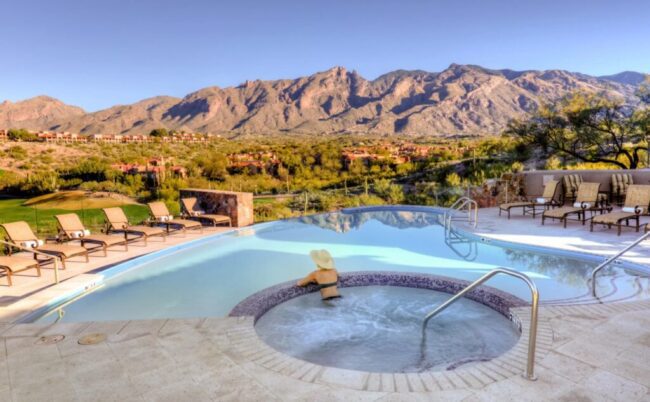
Desert retreats excel at stillness: big skies, dry heat, sunrise hikes, stargazing, and minimalist design that invites your brain to relax. The desert is also a natural setting for outdoor yoga, sound baths, and mindful walking—especially in cooler months.
Mountains are perfect for breath, movement, and sleep. Many people find that hiking plus sauna plus deep nights creates the fastest “reset” loop. Look for properties with guided hikes, strength and mobility classes, and recovery-focused menus.
Coastal wellness is about walking, ocean air, and gentle routines. You’ll often find excellent resort spas along the coast, plus yoga retreats in quieter beach towns. If your idea of healing is long, slow movement and fresh seafood, this is your lane.
Forests tend to soften the nervous system. Lodges and retreats in wooded settings often emphasize sauna rituals, hydrotherapy, breathwork, and “digital detox” culture. If you want a getaway that feels like exhaling, choose the trees.
When you’re comparing US wellness retreats best spas, treatments matter—but the most memorable experiences are often the rituals and sequences that create deep relaxation. Here are a few that consistently deliver value:
Weekend (2–3 nights): best for a quick nervous-system reset—massages, sleep, gentle movement, great food, and quiet.
Long weekend (4 nights): enough time to feel a real shift in energy and routine, especially with classes and hydrotherapy.
One week: ideal if you want sustainable change—fitness improvements, better sleep patterns, a clearer mind, and a plan to bring home.
Pricing varies widely. Resort spas can be approachable if you book treatments a la carte, while destination spas and medical wellness programs can be premium. To compare fairly, calculate the “all-in” total: lodging + meals + treatments + classes + resort fees + gratuity + transportation. Sometimes a higher nightly rate is cheaper once you add everything up.
Wellness spaces work best when everyone protects the calm. Keep phone use minimal (especially in quiet zones), arrive early for treatments, tip when appropriate, and avoid heavy perfume in shared spaces. If the property offers silent lounges or meditation rooms, treat them like libraries for the nervous system.
The best results come when you choose one primary goal and one secondary goal. Examples:
Then book treatments and classes that serve those goals. For sleep, prioritize gentle bodywork, evening wind-down rituals, and minimizing caffeine. For tension, add mobility sessions, sauna, and targeted massage. For burnout, choose quiet time, nature, and simplified schedules.
Check in, take a short nature walk, and schedule a gentle massage or body treatment. Eat a nourishing dinner, enjoy a warm soak, and go to bed early—even if that feels “too soon.”
Start with yoga or breathwork, then a guided hike or low-impact fitness class. Spend late afternoon in hydrotherapy: sauna, steam, cool rinse, warm pool. Finish with a quiet facial or scalp massage.
Choose a lighter class (stretching, meditation, or mobility), write down the 3 habits you want to keep, and plan one “anchor ritual” for home—like a nightly walk, a 10-minute stretch, or a Sunday sauna session.
No. The best retreats offer beginner-friendly options, modifications, and a variety of movement styles. You can make it as gentle or as athletic as you want.
Yes—solo trips are often the easiest way to truly rest. Many retreats are designed for solo travelers and include shared classes that feel social without pressure.
Most quality retreats handle common needs (gluten-free, dairy-free, vegetarian) well, but always confirm in writing before booking—especially for allergies.
Absolutely. If your schedule is tight, start with a day spa or resort spa and create your own mini-retreat: phone off, hydrotherapy circuit, one treatment, a healthy meal, and an early bedtime.
If you’re torn between multiple US wellness retreats best spas, score each property 1–5 in these categories:
The highest total usually wins—and the process prevents you from choosing based on photos alone.
To make your retreat benefits stick, choose two habits to continue for 30 days. Keep them small and specific: a 20-minute walk after dinner, a 10-minute stretch before bed, or a Sunday morning meal prep ritual. The goal is not perfection—it’s consistency that feels doable.
You Might Also Like: Pacific Northwest Scenic Drives for Epic Road Trips
Ultimately, the “best” retreat is the one you’ll actually enjoy—and the one that matches your current season of life. Whether you choose a desert sanctuary, a mountain lodge, a coastal resort spa, or a hot-springs soak, the right experience can help you reset your routines, soften stress, and return home feeling like yourself again. If you’re starting your search today, use this guide as your filter—and let US wellness retreats best spas be the phrase that leads you to a healthier, calmer version of your next vacation.
If you are planning New Orleans haunted tours travel, prepare for a trip where the…
Waterfalls are one of nature’s most awe-inspiring wonders, and the United States is home to…
The East Coast of the United States is often overlooked when it comes to surfing,…
If you want a more memorable island trip, this Hawaii local cuisine guide is the…
Planning a first trip to Yellowstone can feel huge—especially with little adventurers in tow. This…
If you’re planning a big night out, this Miami rooftop bars nightlife guide is your…