If you want a more memorable island trip, this Hawaii local cuisine guide is the perfect place to start. Many visitors arrive in Hawaii and spend most of their time inside beautiful resorts, where the dining is polished and convenient but often removed from the everyday flavors locals truly love. Resort restaurants can be enjoyable, yet they usually show only one side of the islands. To understand Hawaii in a deeper, more meaningful way, you need to step outside the hotel gates and taste the food found in neighborhood diners, family-run eateries, roadside stands, farmers markets, and humble food trucks. That is where Hawaii reveals its personality on a plate.
Exploring Hawaii’s food scene beyond resorts is not only about finding cheaper meals, although that can be a welcome bonus. It is about discovering the islands through their history, cultures, ingredients, and communities. Hawaiian food culture is shaped by Native Hawaiian traditions and generations of influences from Japanese, Chinese, Filipino, Portuguese, Korean, and American communities. The result is a culinary identity that feels both local and global at the same time. From a fresh bowl of poke near the harbor to a hot plate lunch after a beach morning, every dish tells a story about migration, agriculture, fishing, and island life.

For travelers who want to eat well and travel more authentically, local dining brings a different rhythm to the vacation. You slow down, observe daily life, and often meet the people who actually live in the place you came to admire. Instead of another generic buffet or steakhouse menu, you get smoky kalua pork, rich loco moco, tender laulau, pillowy malasadas, bright shave ice, and seafood so fresh it feels almost impossible to compare. This kind of food experience turns a trip into a cultural memory rather than just another getaway.
Why You Should Eat Beyond the Resort Zone
There is nothing wrong with enjoying a special resort dinner, but relying on resort food alone can limit your view of Hawaii. Most large resorts are designed to satisfy broad tourist expectations, so their menus often focus on familiar dishes with a tropical twist. Local dining, on the other hand, reflects what island residents actually eat, recommend, and crave. It is where you will notice how everyday comfort food matters just as much as polished fine dining.
Eating locally also helps you stretch your travel budget. Resort meals in Hawaii can be expensive, especially when breakfast, lunch, dinner, drinks, and service charges add up over multiple days. Local plate lunch spots, neighborhood bakeries, and food trucks often provide bigger portions, more character, and better value. That does not mean sacrificing quality. In many cases, it means getting food prepared with more personality, more tradition, and more direct connection to the community.
Just as important, supporting local restaurants keeps more of your spending in the islands. Family-owned businesses, market vendors, fishermen, and small producers benefit when travelers choose neighborhood food experiences. Responsible tourism is not only about where you stay or what tours you book. It is also about who you support with every meal. If you care about traveling thoughtfully, food is one of the easiest and most enjoyable ways to do it.
What Makes Hawaiian Local Food So Distinctive?
A true Hawaii food experience is defined by layering rather than purity. Local food in Hawaii is a mix of traditions that developed over time, especially during the plantation era when different communities lived and worked side by side. This is why one menu might feature teriyaki beef, macaroni salad, rice, fried fish, and Portuguese-inspired baked goods all within a few pages. Rather than feeling confusing, that mix feels completely natural in Hawaii.
Like much of Hawaiian cuisine, local dishes often balance comfort, freshness, and practicality. Rice is a staple. Seafood is central. Tropical produce such as pineapple, taro, mango, coconut, banana, and passion fruit appears often. Slow-cooked meats, salty snacks, noodle soups, and sweet bakery treats all have a place in the everyday food landscape. The islands are also deeply connected to the ocean, so fish and shellfish play a major role in both traditional and modern meals.
Another reason local food stands out is that it is tied closely to place. The same dish may feel different on Oahu, Maui, Kauai, or the Big Island depending on ingredients, style, and the personality of the cook. You are not just eating food in Hawaii. You are eating food that makes sense because of Hawaii’s land, waters, weather, and multicultural history.
Must-Try Dishes in Any Hawaii Local Cuisine Guide
Poke
No Hawaii trip feels complete without poke. This iconic dish usually features cubes of raw fish, most commonly ahi tuna, dressed with ingredients such as soy sauce, sesame oil, seaweed, sweet onion, chili pepper, or green onion. The best poke is fresh, clean, and balanced, allowing the fish to remain the star. If you want background on the dish itself, you can learn more about poke and its roots in island food culture. In Hawaii, poke is not just a trendy bowl for visitors. It is a familiar local favorite found in supermarkets, seafood counters, takeout shops, and specialty markets.
Plate Lunch
The plate lunch is one of the best examples of island comfort food. A classic version usually comes with two scoops of rice, one scoop of macaroni salad, and a main protein such as teriyaki chicken, katsu, kalbi, hamburger steak, or fried fish. It is hearty, satisfying, and wonderfully unpretentious. Plate lunches are ideal when you want a filling meal before a road trip, after a surf lesson, or between sightseeing stops.
Loco Moco
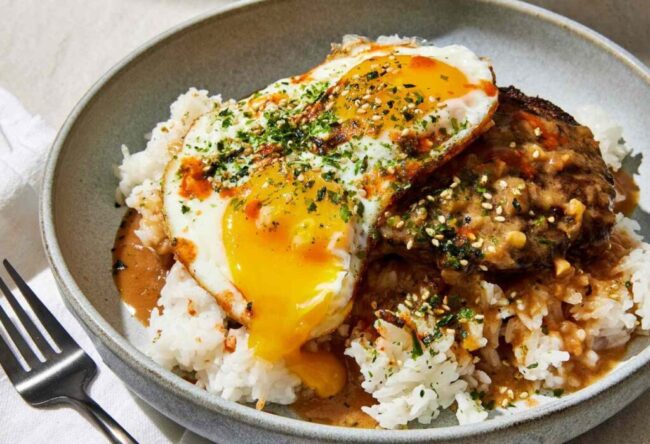
Loco moco is a beloved dish that often surprises first-time visitors. It typically includes white rice topped with a hamburger patty, brown gravy, and a fried egg. Some places add mushrooms, onions, short ribs, or creative twists, but the spirit of the dish stays the same: rich, comforting, and deeply satisfying. It may not look elegant, but it delivers serious flavor and is a must for travelers who want to try what locals actually order.
Kalua Pork and Laulau
Kalua pork is smoky, tender, and often cooked until it falls apart. Traditionally associated with underground oven cooking, it carries a deep flavor that feels both rustic and celebratory. Laulau, another excellent local choice, usually involves pork, fish, or other fillings wrapped in taro leaves and steamed slowly. Both dishes give travelers a closer connection to older island culinary traditions and are especially worth ordering at Hawaiian-focused restaurants rather than generic tourist spots.
Poi
Poi is one of the most culturally significant traditional foods in Hawaii. Made from taro root, it has a smooth texture and a subtle, slightly tangy taste that can be new for visitors. Not every traveler falls in love with it immediately, but trying poi matters because it connects you directly to Native Hawaiian food heritage. When eaten with salty or rich foods such as kalua pork or lomi salmon, its gentle flavor makes more sense.
Garlic Shrimp
If you visit Oahu’s North Shore, garlic shrimp is practically a ritual. Plates piled high with buttery, garlicky shrimp and rice are sold from famous roadside trucks and stands. The dish is simple, messy, and incredibly rewarding. While popular with tourists, it still earns a place in any serious local food itinerary because it captures the casual roadside eating culture that makes Hawaii so enjoyable.
Spam Musubi and Saimin
Spam musubi is one of those foods that tells you a lot about Hawaii in just a few bites. A slice of grilled Spam sits on a block of rice and is wrapped with seaweed, creating a snack that is portable, salty, comforting, and unmistakably local. Saimin, meanwhile, is a noodle soup with roots in Hawaii’s multicultural history. It is light, savory, and great when you want something warm and simple rather than heavy.
Malasadas and Shave Ice
For sweets, malasadas and shave ice are essential. Malasadas are Portuguese-inspired doughnuts without holes, often coated in sugar and sometimes filled with custard, chocolate, or tropical flavors. Fresh malasadas are best eaten hot. Shave ice, especially when made with finely shaved ice and vibrant syrups, is perfect after a hot beach day. Add condensed milk or ice cream if you want the full experience.
Where to Find the Best Local Food Experiences
This Hawaii local cuisine guide would not be complete without practical advice on where to eat. The best local meals are often found far from polished resort dining rooms. Start with neighborhood diners, small lunch counters, food courts, farmers markets, bakeries, and food trucks. These places may not always have dramatic ocean views, but they frequently offer the flavors you will remember most.
On Oahu, Honolulu gives you the widest variety of options, from poke counters and old-school diners to bakery favorites and international influences. Venture beyond Waikiki if you can. Neighborhoods with a strong local presence often feel more rewarding than the heavily tourist-centered strips. On the North Shore, roadside shrimp trucks and casual eateries are part of the attraction, especially if you are exploring beaches and surf towns.
Maui has a growing food scene that blends local tradition with fresh farm produce and creative island cooking. In addition to resort areas, look for small cafes, farm stands, and local plate lunch spots. The Big Island is excellent for travelers interested in coffee, ranch influences, fresh fish, and regional variation. Kauai offers a slower pace and some wonderful markets, food trucks, and casual restaurants where local ingredients really shine.
Do not underestimate supermarkets and convenience stores either. In Hawaii, grocery stores can be surprisingly rewarding places to eat. Many have excellent deli counters, poke sections, and ready-to-go local dishes. If you are planning beach picnics, scenic drives, or hiking days, this can be one of the smartest ways to enjoy local food without overspending.
How to Eat Like a Curious Traveler, Not Just a Tourist
The best approach is to stay open-minded. Some dishes will be immediately familiar, while others may feel completely new. Order one comfort item and one cultural item together. For example, pair a plate lunch with poi, or try poke alongside a less familiar Hawaiian dish. That way, you get both enjoyment and discovery in the same meal.
Asking locals for recommendations can also change your experience dramatically. Hotel staff, tour guides, shop owners, and residents often know where the consistently good spots are, especially for breakfast, poke, or plate lunch. Instead of asking for the “best restaurant,” ask where they go for lunch, where they bring visiting family, or where they would eat on a day off. Those questions usually lead to more interesting answers.
Pay attention to timing as well. Popular local places may sell out early, especially bakeries, farmers market vendors, and lunch counters. Some famous dishes are best eaten at certain times of day. Malasadas taste best when fresh and warm. Poke is ideal when turnover is high and fish is at its freshest. A little planning helps you avoid disappointment.
Finally, be respectful. Hawaii is not just a playground for visitors. It is home. Learn a bit about the islands, pronounce food names carefully when you can, be patient in busy local spots, and avoid treating cultural foods like novelty props for social media. Curiosity is welcome. Entitlement is not.
A Simple One-Day Local Food Itinerary in Hawaii
If you want a structured way to use this guide, imagine a full day built around local eating. Start with breakfast at a bakery or cafe rather than your resort buffet. Order fresh malasadas, a breakfast plate, or Portuguese sausage with eggs and rice. Pair it with locally grown coffee if you are on the Big Island or somewhere known for great island roasts.
For a mid-morning snack, stop at a farmers market. This is the perfect moment to try tropical fruit you may not normally eat at home, such as lilikoi, papaya, or apple bananas. You may also find local honey, baked goods, jams, or small prepared snacks that reflect the island’s agricultural side.
Lunch is the ideal time for a plate lunch or poke bowl. This is where you embrace casual dining. Eat somewhere busy but relaxed, where the line moves quickly and the menu looks built for regulars rather than just visitors. If you are near the coast, a simple seafood lunch can be one of the best meals of the trip.
During the afternoon, cool down with shave ice or a musubi snack. If you are road-tripping or beach-hopping, portable local snacks become part of the adventure. In the evening, choose a restaurant that focuses on Hawaiian dishes or local ingredients rather than another generic steakhouse. Order several items to share if possible. That gives you a broader sense of the island’s culinary personality.
Common Mistakes Travelers Make With Food in Hawaii
One common mistake is assuming the resort concierge list covers the whole food scene. It usually does not. Another is chasing only viral spots without considering whether the food is actually meaningful, fresh, or worth the wait. A place with fewer online photos may end up giving you a far better meal.
Travelers also sometimes confuse “Hawaiian food” with all food available in Hawaii. There is a difference between traditional Native Hawaiian dishes, local-style island comfort food, and general international dining available across the islands. All of them can be enjoyable, but knowing the difference helps you eat more intentionally.
Another mistake is avoiding humble-looking places. In Hawaii, some of the best meals come from simple storefronts, roadside trucks, and low-key takeout counters. If a place looks modest but has a steady line of locals, take that as a very good sign. Food culture here is not always about luxury. Often, it is about consistency, freshness, and heart.
You Might Also Like: Unknown Beach Paradises in Hawaii: Discover Hawaii Hidden Beach Spots
Ultimately, the best meals in Hawaii are not always the most expensive or the most photographed. They are the ones that connect you to the islands in a real way. When you choose local food, you experience Hawaii beyond curated resort scenery and into the living culture of the people who call the islands home. You notice the mix of history, migration, land, and ocean in every bite, and your trip becomes richer because of it.
If you are planning your next island escape, let this Hawaii local cuisine guide lead you toward poke counters, family-run cafes, shrimp trucks, traditional Hawaiian dishes, neighborhood bakeries, and markets full of flavor. Exploring Hawaii’s local cuisine beyond resorts is one of the smartest ways to travel more deeply, eat more memorably, and return home with stories that taste as vivid as the islands themselves.