If the idea of wide-open skies, sculpted stone, and star-flecked nights speaks to your soul, it’s time to look beyond the usual national park circuits and discover truly USA desert travel destinations that remain blissfully under the radar. The American deserts stretch across four major regions—the Mojave, Sonoran, Great Basin, and Chihuahuan—each with its own personality, from alien hoodoos to luminous dunes and cactus forests. This in-depth guide spotlights quiet corners and lesser-known sites where solitude is easy to find, photography opportunities are endless, and adventure is defined on your own terms.
Deserts are often dismissed as empty or harsh, yet their subtle beauty reveals itself to travelers who slow down. These landscapes are living museums of geologic time, shaped by wind, water, and tectonics. The stillness can be transformative, wildlife encounters surprising, and the night skies world-class. Whether your passion is sunrise photography, backpacking remote canyons, or simply driving scenic byways between tiny towns, desert travel rewards curiosity. To set the stage, know that the Mojave Desert leans rugged and rocky, the Chihuahuan Desert spans high-elevation basins and sky islands, the Great Basin mixes sagebrush seas with lonely ranges, and the Sonoran dazzles with its iconic saguaro forests.
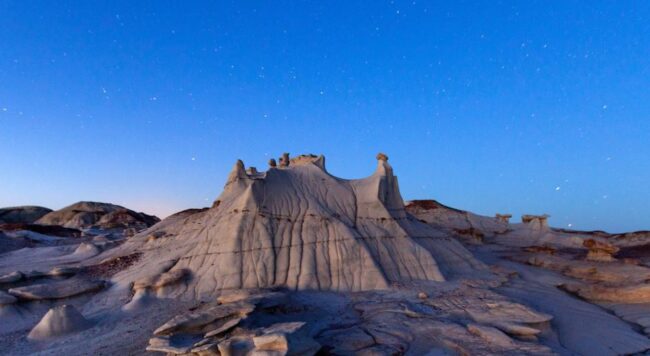
Tucked into the San Juan Basin, Bisti/De-Na-Zin is a labyrinth of badlands where wind-carved hoodoos look like stone mushrooms and petrified logs lie scattered like time capsules. There are no established trails—navigation is by map, compass, and GPS—so you can wander among “winged” formations and clay hills painted in ash-gray, rust-red, and soft gold. Come for sunrise or late light when textures pop and shadows dramatize the scene. Carry ample water, tell someone your plan, and consider dropping GPS waypoints at your car; it’s easy to get turned around in the maze.
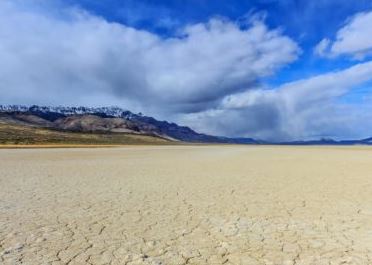
On the rain-shadowed side of Oregon’s Steens Mountain, the Alvord Desert is a shimmering playa—an ancient lakebed that dries to a hard, pale crust. In summer and early fall, the flats are perfect for dispersed camping, astrophotography, and long contemplative walks where the horizon appears to curve. Nearby hot springs offer a restorative soak after dusty days. When storms pass, sections of the playa can become muddy and fragile; always check local conditions and avoid driving on soft surfaces to protect this delicate environment.
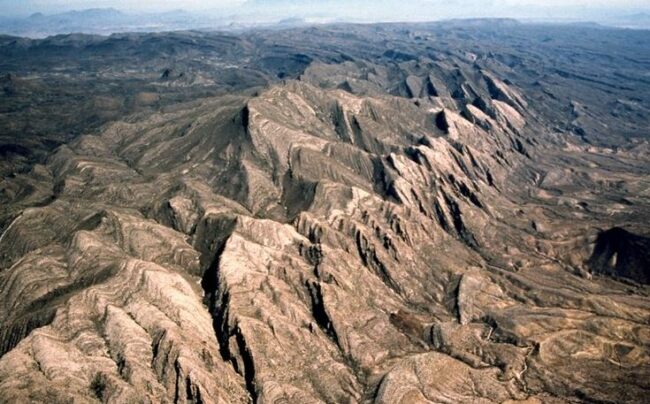
Overshadowed by its national park neighbor, Big Bend Ranch State Park is Texas’s largest state park and one of the most rugged. Jaguarundi-colored canyons, basalt dikes, and volcanic tuff towers create a geologic playground. Hike the Fresno Rim for house-high vistas into the Solitario, bike desert doubletracks, or paddle sections of the Rio Grande when flows allow. Campsites are primitive and far apart, enhancing the solitude. The region’s dark-sky designation rewards night owls with stargazing that feels prehistoric.
Rising from a dry Pleistocene lakebed in the Mojave, the Trona Pinnacles are hundreds of tufa spires—some needle-thin, others bulky and cathedral-like. Their lunar vibe has appeared in countless films, yet visitor numbers remain modest. The dirt access road can be washboarded, but most cars make it with care when dry. Explore on foot to appreciate the variety of textures and the quiet. Sunset and blue hour are magic here; bring a headlamp and tripod for light painting or star shots after dark.
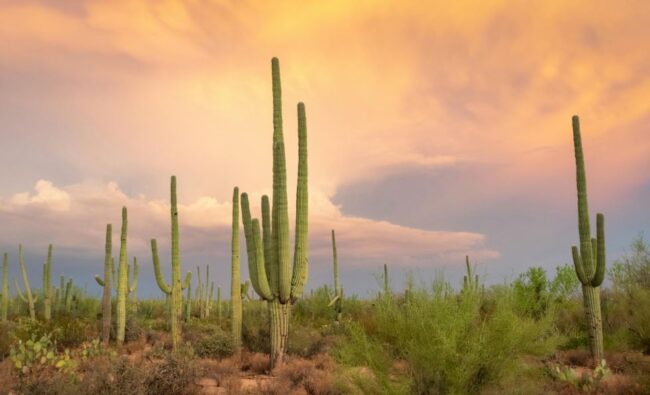
Southwest of Phoenix, this monument preserves a vast mosaic of bajadas, saguaro forests, and volcanic hills. It’s part of the Sonoran Desert, which—unlike stereotypical “barren” deserts—can be surprisingly lush. Look for petroglyph panels in basalt canyons, owl and hawk silhouettes on thermals, and bursts of wildflowers after winter rains. Dirt roads require high clearance in places; check closures and carry recovery gear. Early spring and late fall are ideal for long day hikes among giant cacti that glow at dawn.
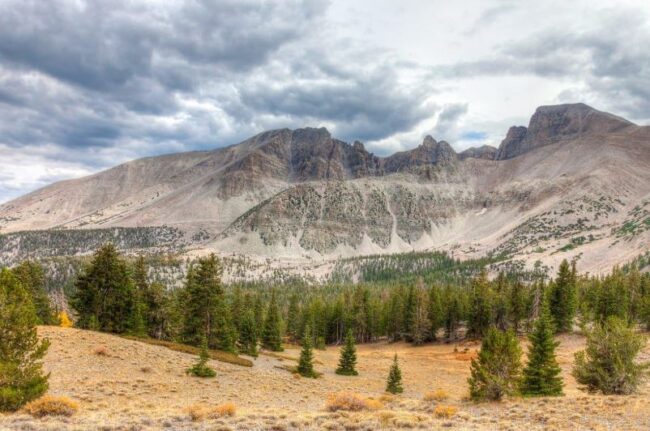
Nevada’s Great Basin is a patchwork of broad valleys and isolated ranges, a place where you can drive an hour without seeing another car. Beyond well-known stops, consider high-desert basins edged by aspen-topped summits and remote campgrounds with immense night skies. Bristlecone pines cling to harsh ridgelines, embodying resilience; some are among the oldest living things on Earth. Summer afternoons can bring booming cloud build-ups, while autumn is crisp and golden. Pack layers and plan for big diurnal temperature swings.
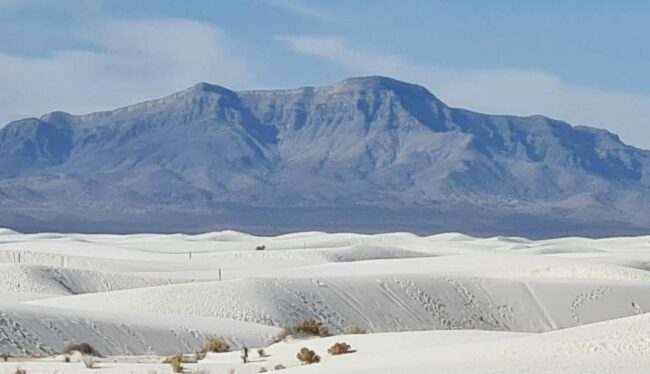
White Sands may be on more bucket lists now that it’s a national park, yet you can still find quiet by hiking deeper into the gypsum. The dunes’ almost luminous whiteness reflects heat, keeping the sand cooler on bare feet than you’d expect. Bring a sled for kidlike joy on gentle slopes, and linger for sunset when the dunes blush pink and violet. Keep track of trail markers—dune fields can be disorienting—and respect closure notices tied to the nearby missile range.
Even within marquee regions, pockets stay under-traveled. In Utah’s red-rock country, seek out side canyons that require route-finding rather than wayfinding on obvious trails. In Arizona, basins north of Interstate 8 hide quiet washes lined with ironwood and palo verde. In West Texas, lesser-traveled ranch roads lead to overlooks where you’ll likely have lunchtime silence broken only by wind and raven calls. The beauty of USA desert travel destinations lies in their scale—there’s always another mesa, slot, or arroyo to explore.
Deserts reward careful composition. Seek side light to emphasize texture, include human scale for vastness, and carry a lens cloth—fine dust is everywhere. Drones can capture striking perspectives but verify regulations, respect wildlife, and avoid flying over other visitors. Night photographers should bring red-light headlamps to preserve their vision and that of neighbors, and be mindful of nesting seasons and cultural sites.
Fall and spring offer the friendliest temperatures across most regions, with winter excellent for low-elevation Mojave trips and summer better at higher-elevation basins in the Great Basin. Spring wildflowers can be spectacular after wet winters. If your dates are fixed in warmer months, plan dawn starts and shady siestas, then resume exploring for golden hour and evening cool.
Many of these landscapes are ancestral homelands. Petroglyphs, artifacts, and structures are protected by law and ethics—look, learn, and leave them undisturbed. Treat water sources as lifelines for wildlife. If your route crosses open range, drive slowly around livestock and secure gates as posted. Your considerate presence helps keep these USA desert travel destinations wild and welcoming for those who follow.
You Might Also Like: Charleston SC Weekend Getaway: A Perfect Southern Escape
From New Mexico’s otherworldly badlands to Oregon’s shimmering playa, California’s tufa spires to Texas’s lava-carved canyons, the American deserts are a masterclass in subtlety and scale. Choose a region, plan conservatively, and bring patience for dirt roads and long horizons. With preparation and respect, your journey through these USA desert travel destinations will deliver the solitude, beauty, and starry nights you’ve been craving.
If you are planning New Orleans haunted tours travel, prepare for a trip where the…
Waterfalls are one of nature’s most awe-inspiring wonders, and the United States is home to…
The East Coast of the United States is often overlooked when it comes to surfing,…
If you want a more memorable island trip, this Hawaii local cuisine guide is the…
If you’re searching for US wellness retreats best spas that genuinely help you reset—physically, mentally,…
Planning a first trip to Yellowstone can feel huge—especially with little adventurers in tow. This…