Alaska is one of those rare places where “wild” isn’t a marketing word—it’s the default setting. Vast mountain ranges, glaciers that creak like living things, and coastlines where whales surface on their own schedule make the state feel more like a nature documentary than a destination. If you’re planning Alaska wilderness wildlife travel, the good news is that you don’t need to be a hardcore explorer to have a genuine backcountry experience. The better news is that with the right timing, routes, and expectations, you can see iconic species—moose, bears, bald eagles, sea otters, puffins, and even wolves—without compromising safety or sustainability.
This guide is designed to help you build a practical, unforgettable trip. You’ll learn where to go for different landscapes, how to maximize wildlife sightings ethically, what to pack, and how to choose between cruising, road tripping, and fly-in adventures. Along the way we’ll cover realistic itineraries, seasonal trade-offs, and small decisions that make a big difference—like when to bring binoculars versus a spotting scope, or why your snack choices matter in bear country.
What Makes Alaska’s Wilderness Different
Alaska’s scale is hard to explain until you’re there. The state is larger than many countries, yet many regions have no roads at all. In some areas, rivers are the highways and small planes are the buses. That remoteness creates an ecosystem with fewer fences, fewer crowds, and more intact predator–prey relationships than you’ll find in most places.
Just as important, Alaska’s wilderness is incredibly diverse. The Inside Passage is temperate rainforest, dripping with moss and bordered by fjords. The Interior has taiga forests, wide braided rivers, and big-sky views. The Arctic and subarctic regions bring tundra, migratory caribou, and endless summer light. Add in volcanic islands and glacier-fed bays and you get a menu of ecosystems that can support wildly different experiences in a single trip.
Best Times to Visit for Wildlife and Scenery
Choosing a season is the first big fork in the road.
Late Spring (May to early June)
Late spring is a sweet spot for travelers who want long daylight and fewer crowds. Bears are active as they emerge from denning, coastal wildlife viewing improves, and trails begin to open. Snow can still linger at higher elevations, which is great for dramatic photos but can limit certain hikes.

Peak Summer (mid-June to August)
Summer is the classic Alaska window. Everything is accessible, tours run frequently, and the days are famously long. Salmon runs begin in many areas, and that can draw bears and eagles to rivers. The trade-off is that popular towns and parks get busy, and prices tend to be highest.
Early Fall (late August to September)
Fall brings golden tundra colors, cooler temperatures, and fewer mosquitoes. Wildlife is still active, and berry season can attract bears. Some tour schedules begin to taper off, and you’ll need to plan carefully for shoulder-season transportation, especially in smaller communities.
Winter and Early Spring (October to April)
Wildlife viewing is more specialized—think northern lights, wolf tracking, and coastal marine life—while backcountry access can be snowmachine- or ski-based. If your focus is wilderness, winter can be spectacular, but it requires more gear, more planning, and comfort with cold-weather logistics.
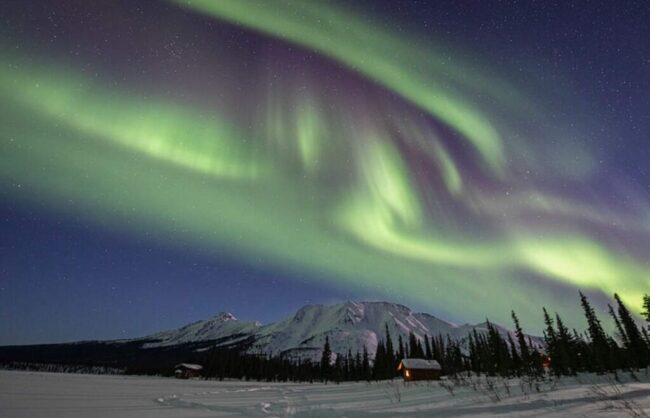
Where to Go: Regions That Deliver Big Nature
Instead of trying to “do it all,” pick two or three regions that match your priorities.
Southcentral: Mountains, Glaciers, and Easy Access
Anchorage is the main entry point and a solid base for day trips. From here you can reach the Chugach Mountains, glaciers, and coastal habitats quickly. The Seward Highway is one of the most scenic drives in North America, with chances to spot beluga whales, Dall sheep, and bald eagles depending on the season. Kenai Fjords trips out of Seward can offer whales, sea lions, puffins, and tidewater glaciers without complicated logistics.
Interior: Big Rivers and Classic Frontier Landscapes
The Interior is where Alaska starts to feel truly expansive. Fairbanks provides access to river corridors, hot springs, and long summer light. Many travelers use the Interior as a gateway to Denali. If you’re aiming for a mix of hiking, scenic views, and the potential for large mammals, a visit to
Denali National Park and Preserve
is hard to beat.
Southeast: Rainforest, Whales, and Island Hopping
Southeast Alaska is defined by the
Inside Passage:
forested islands, sheltered waterways, and a cultural mix shaped by Indigenous communities, fishing towns, and cruise routes. Juneau, Sitka, and Ketchikan are common hubs. The wildlife highlight here is marine: humpback whales, orcas, sea otters, and seals. On land you’ll find black bears, eagles, and an almost constant soundtrack of ravens and shorebirds.

Southwest: Bear Country and Remote Coastlines
If brown bears are at the top of your wish list, Southwest Alaska is legendary. The challenge is that many of the best locations require flights and careful planning. This is where guided day trips and lodges shine, especially if you want a high-probability bear-viewing experience without backcountry navigation responsibilities.
Arctic and Far North: Tundra, Caribou, and Midnight Sun
For travelers who want true remoteness, the Far North delivers. Expect fewer services, long distances, and a focus on tundra landscapes and migratory wildlife. The light in midsummer is extraordinary, and the sense of scale is unrivaled. This region is best for experienced planners or those working with local guides.
Wildlife You Can Realistically See (and Where)
Alaska has “bucket list” animals, but smart expectations lead to better trips. Wildlife sightings are never guaranteed, and that uncertainty is part of the magic.
Bears
Black bears are common in forested coastal areas and Southeast. Brown bears (including grizzlies) are often associated with salmon rivers and open habitats. For ethical viewing, prioritize platforms, river-viewing rules, and reputable guides. Avoid any tour that promises close encounters or encourages risky behavior for photos.
Moose
Moose are more likely in the Interior and Southcentral river valleys. Early morning and evening are prime times. Slow down on roads at dawn and dusk; moose are large, dark, and surprisingly quiet.
Whales and Marine Life
Humpbacks and orcas are most commonly seen on marine excursions in coastal areas, especially Southeast and the Kenai Peninsula. Sea otters, seals, and sea lions often appear on the same trips. If marine life is your priority, choose multiple days on the water to increase your odds.
Wolves and Foxes
Wolves are elusive. Your best chance is in wide-open habitats where you can scan from distance, especially in protected areas where they’re less disturbed. Foxes can be easier, particularly in tundra regions.
Birds: Eagles, Puffins, and Shorebirds
Bald eagles are widespread, especially near waterways. Puffins are often seen on coastal boat trips and in nesting areas during summer. Bring binoculars even if you don’t consider yourself a “birder”—Alaska turns a lot of people into birdwatchers by accident.
How to Plan a Trip Style That Fits You
There’s no single “right” way to do Alaska. Choose a style that matches your comfort level and goals.
Option 1: Road Trip With Day Excursions
This is the most flexible approach for many travelers. You can drive between hubs—Anchorage, Seward, Homer, Fairbanks—and book boat tours, guided hikes, or rafting days as needed. It’s great if you like controlling your pace and mixing wilderness time with good meals and showers.
Option 2: Cruise or Small-Ship Expedition
Large cruises are efficient for seeing glaciers and coastal scenery, and they can be a good fit for multi-generational groups. Small-ship expeditions typically offer more time in quiet bays, more wildlife-focused outings, and fewer crowds. The key is choosing excursions carefully so you’re not just viewing Alaska from a balcony.
Option 3: Fly-In Lodges and Backcountry Bases
For true remoteness, fly-in access changes everything. You can reach areas without roads and experience landscapes that feel untouched. This option is usually more expensive, but it can deliver high-impact wilderness time in a short window.
Option 4: Guided Multi-Day Trips
From rafting to hiking to sea kayaking, guided trips are ideal if you want deeper wilderness immersion without managing permits, safety systems, and route-finding. A reputable operator will emphasize bear safety, Leave No Trace, and realistic daily plans.
Ethical Wildlife Viewing: The Rules That Keep Animals Wild
One of the most important parts of Alaska wilderness wildlife travel is learning how to watch without interfering.
- Keep distance. If an animal changes behavior because of you—stops feeding, looks stressed, moves away—you’re too close.
- Never feed wildlife, even “accidentally.” Store food properly, pack out trash, and avoid leaving snacks in vehicles.
- Stay on durable surfaces where possible and respect seasonal closures.
- Use a zoom lens and binoculars instead of trying to “get closer.”
- Support tours that follow local regulations and have clear safety briefings.
Responsible viewing isn’t just about ethics; it also increases your chances of calm, natural sightings. Animals that aren’t pressured behave more normally, and that makes for better experiences and better photos.
What to Pack for Comfort and Safety
Alaska rewards travelers who pack for variability rather than perfection.
Clothing
Layering is everything. Bring a breathable base layer, a warm mid layer, and a waterproof shell. Even in midsummer, weather can shift quickly on the coast or near glaciers. Quick-dry pants beat jeans for almost any activity. Include a warm hat and light gloves for boat days and mountain overlooks.
Footwear
Waterproof hiking shoes or boots are ideal for most travelers. If you’ll do boat excursions, consider a pair of grippy shoes that can handle wet decks. For longer hikes, bring blister prevention (tape, liners, or moleskin).
Wildlife and Day-Hike Gear
Binoculars make a huge difference. A small daypack, water bottle, and compact rain cover will keep you comfortable. Bug protection matters in many areas—head nets can feel silly until they feel essential. If you’re hiking in bear country, carry bear spray where legal and learn how to use it; don’t bury it in your pack.
Tech and Photography
A telephoto lens helps for wildlife, but even phones can do well with good light and a steady hand. Pack extra batteries and a power bank; cold weather and long days can drain devices quickly.
Safety Basics for Bear Country
Bear safety doesn’t need to be scary, but it does need to be real.
- Make noise on trails, especially in dense brush or near rivers.
- Travel in groups when possible and avoid surprising animals.
- Keep food and scented items secured. In some areas, bear-resistant containers are required.
- Learn what to do in a close encounter (your guide or park briefing should cover this).
- Respect posted advisories and avoid carcass areas where predators may be feeding.
If you’re unsure, hire a guide for hikes or river corridors. The peace of mind is worth it, and guides often know where wildlife is active that week.
Sample Itineraries (7, 10, and 14 Days)
These are flexible templates you can adjust based on your flight routes and interests.
7-Day “Highlights With Real Wilderness Time”
Day 1: Arrive in Anchorage, coastal viewpoint drive, gear check
Day 2: Seward highway scenic stops, overnight in Seward
Day 3: Kenai Fjords wildlife and glacier cruise
Day 4: Guided hike or sea kayaking day, return to Anchorage
Day 5: Drive toward Denali area, evening wildlife spotting
Day 6: Denali transit day (or guided backcountry hike depending on access)
Day 7: Return to Anchorage and depart
10-Day “Road Trip + Marine Wildlife”
Days 1–3: Anchorage to Seward, boat tour, kayaking or glacier hike
Days 4–5: Homer for coastal views and optional wildlife cruise
Days 6–8: Drive to Denali area, hiking and wildlife watching
Days 9–10: Fairbanks for river day trip and northern light potential (late season), depart
14-Day “Two Regions, Deeper Exploration”
Week 1: Southcentral (Anchorage, Seward, Homer, glaciers, fjords)
Week 2: Southeast (Juneau and another island hub), whale watching, rainforest hikes, cultural sites
This split reduces drive time and gives you both mountains and marine ecosystems.
Choosing Tours and Guides: What to Look For
A good operator sets expectations clearly, prioritizes safety, and teaches you something.
- Transparent wildlife viewing standards and distance guidelines
- Small group sizes or clear group management
- Local knowledge and naturalist interpretation
- Safety gear and briefings included
- Clear cancellation/weather policies
If a tour markets “guaranteed” close wildlife, treat that as a red flag. Nature is not a theme park, and the best experiences come from patience and respect.
Budgeting Without Losing the Adventure
Alaska can be pricey, but you can control costs with a few strategies.
- Travel in shoulder season for lower lodging rates.
- Mix paid excursions with free scenic drives, short hikes, and wildlife scanning.
- Book key tours early, but keep some days flexible for weather.
- Consider cabins or simple lodges outside the busiest town centers.
- If renting a car, compare airport and off-airport pickup costs and factor in one-way fees.
Remember that value in Alaska is often measured in time outside, not luxury. A simple picnic with a glacier view can beat an expensive meal indoors.
Responsible Travel: Leave No Trace in the North
Alaska’s ecosystems can be fragile. Tundra and alpine areas recover slowly from damage. Stick to established trails where available, camp on durable surfaces, and pack out everything. On beaches, be mindful of nesting birds and keep a respectful distance from seals or sea lions that may haul out.
When you visit national parks and protected areas, follow rangers’ guidance. A bit of pre-trip reading can also help you understand terrain, distances, and historical context before you arrive.
Common Mistakes First-Time Visitors Make
- Packing like it’s a single-season destination instead of a variable climate
- Trying to cover too much distance in too few days
- Skipping binoculars and then wondering why wildlife feels “far away”
- Underestimating how weather affects boats and flight schedules
- Treating wildlife sightings as “checklists” rather than experiences
If you plan for flexibility, you’ll enjoy Alaska more. Build in buffer days, bring layers, and accept that sometimes the best moments happen when a plan changes.
Frequently Asked Questions
Do I need a guide to see wildlife?
Not always. You can see wildlife on drives, hikes, and boat trips with minimal guidance. But for remote areas, bear-rich rivers, or specialized activities, a guide can increase safety and the quality of your experience.
Is Alaska safe for solo travelers?
Yes, with smart planning. Stick to well-traveled routes, share your itinerary, and be conservative in backcountry decisions. Guided day trips can add confidence if you’re new to wilderness travel.
What’s the best way to avoid crowds?
Travel in late spring or early fall, visit popular parks early or late in the day, and include at least one less-visited region. Small towns and midweek departures also help.
How do I choose between Southeast and Southcentral?
If you want whales and rainforest fjords, Southeast is ideal. If you want a road trip with mountains, glaciers, and a mix of inland and coastal habitats, Southcentral fits better. Many travelers choose one and add a short side trip to the other if time allows.
You Might Also Like: Top Things to Do in Juneau, Alaska: The Ultimate Guide
Final Thoughts: Build Your Trip Around Nature, Not a Checklist
The most rewarding Alaska trips are built around time outdoors, not a rush between landmarks. Pick a couple of regions, learn the rhythm of daylight and tides, and give yourself space to be surprised. Whether you’re scanning a distant ridge for movement, watching a glacier calve into a bay, or hearing the splash of a salmon run, Alaska’s wilderness has a way of making you feel both small and deeply alive.
If Alaska wilderness wildlife travel is on your mind, start with a simple plan: choose your season, choose your regions, and book one or two high-impact excursions that match your interests. Then leave room for the unexpected, because in Alaska, the best moments are often the ones you didn’t schedule.