Coastal lighthouses are more than pretty silhouettes on a postcard—they’re living landmarks built to solve a practical problem: helping ships survive tricky currents, shoals, fog, and storms. If you’ve been dreaming about a road trip that mixes ocean views, small-town seafood, history, and photo-worthy sunrises, this East Coast lighthouses travel guide will help you plan a route you can actually enjoy (without trying to see everything in one exhausting sprint).
In the sections below you’ll find a handpicked lineup of can’t-miss lights from Maine down to Florida, practical trip-planning advice, and a few “slow travel” ideas so you can linger where the coast feels most like you. Whether your vibe is climbing 200+ steps for a panoramic view or strolling a windswept jetty with a coffee in hand, there’s a lighthouse stop that fits.
Before we jump into specific stops, decide which style of trip you want:
A lighthouse visit often takes less time than you expect—unless there’s a museum, a climb, or a nearby trail you’ll want to walk. The best trips treat lighthouses as anchors for a day: morning light and photos, lunch in a nearby town, then a beach or nature stop in the afternoon.
The East Coast is a four-season destination, but each season changes the experience:
If you’re planning climbs, always check seasonal tower hours ahead of time. Wind, storms, or maintenance can close towers even during peak season.
If you’ve ever seen a “classic Maine lighthouse” calendar photo, there’s a good chance it was Portland Head Light. Set on rugged rocks at the edge of Fort Williams Park, it’s an easy win: dramatic coastline, walking paths, picnic spots, and a nearby museum that explains coastal navigation and local history. The park is also convenient for travelers who want a lighthouse stop without committing to a full-day drive up the coast.
Don’t miss: the cliffside loop walk at sunset and the view back toward the light from the shoreline.
Officially Cape Neddick Light, “Nubble” is beloved because it feels like a scene from a storybook—sitting offshore on a small rocky island. You can’t climb it, but you can photograph it from the mainland and enjoy the surrounding coastal village atmosphere. Visit at blue hour (right after sunset) for reflections and soft light, especially in calm weather.
Pro tip: Bring a longer lens if you love detail shots; the best views are from shore.
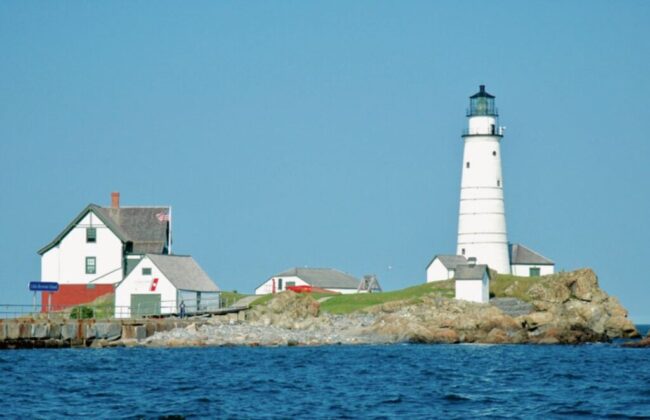
Boston Light is a landmark stop for travelers who want their lighthouse day to include time on the water. Because it’s offshore in Boston Harbor, you’ll need a tour or boat plan. If you’re building a coastal trip that includes Boston’s historic neighborhoods and seafood, this lighthouse adds a memorable harbor adventure.
Trip style: Great for travelers who prefer boat tours over driving.
Cape Cod has multiple lights, but Highland Light stands out for its cliffs, national-seashore feel, and the way it connects lighthouse history to a broader beach-and-dune landscape. Nearby trails and beaches make it easy to fill a whole day. If you like “one destination, many activities,” Cape Cod is one of the easiest regions for a lighthouse-centered weekend.
Don’t miss: a beach walk after your visit—Cape Cod sunsets can be unreal.
Block Island delivers that “escaped to a different world” feeling without leaving the Northeast. The Southeast Light sits near dramatic bluffs and pairs well with biking, coastal walks, and fresh seafood. Because it’s on an island, it’s also a great choice if you want fewer “strip mall” vibes and more open space.
Pro tip: Plan your ferry times early; peak season sells out.
This is one of the oldest surviving lighthouses in the country and a fascinating stop if you enjoy early American maritime history. The surrounding Sandy Hook area also offers beaches, biking routes, and views back toward New York City. It’s a strong pick for travelers who want a lighthouse stop that’s easy to reach from major airports.
Ideal for: a day trip from NYC or as the start of a southbound road trip.
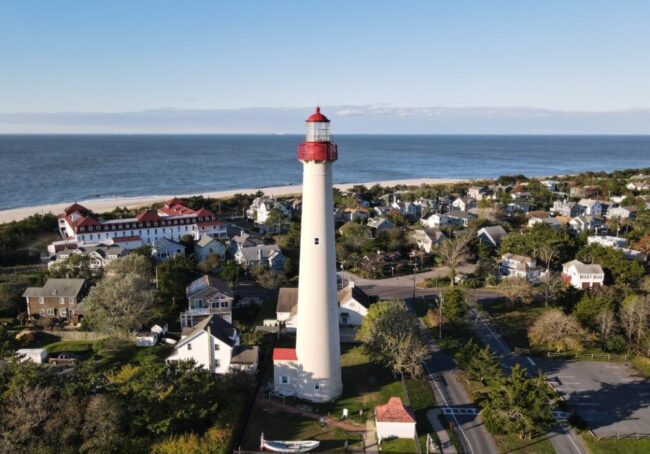
Cape May is a whole experience: Victorian architecture, beach-town energy, and excellent birding. The lighthouse is part of a bigger “Cape May day,” where you can mix a tower climb with the nearby beach, a seafood lunch, and sunset views. If you love charming towns that feel walkable, Cape May is a satisfying overnight stop.
Don’t miss: pairing your visit with a stroll through Cape May’s historic district.
Assateague is famous for its wild horses and barrier-island scenery, and the lighthouse fits beautifully into a nature-first trip. This stop is less about cute downtown streets and more about dunes, marshes, and open skies. If you want a lighthouse day that also feels like a mini national-park adventure, Assateague is the vibe.
Plan for: bug spray in warm months and extra time for beach wandering.
Cape Henry sits where the Chesapeake Bay meets the Atlantic, and it’s a rewarding stop because you get both maritime and military history in one area. Nearby, you can build a full day with beaches, boardwalk time, and coastal attractions. If you’re doing a mid-Atlantic route, this is one of the best “big, iconic” lighthouse stops without adding a massive detour.
The Outer Banks are lighthouse country. Bodie Island is especially photogenic with its bold black-and-white bands, and the surrounding wetlands and boardwalk paths are great for birding and quiet walks. The Outer Banks also let you connect lighthouse visits with dunes, beaches, and local seafood shacks—an easy recipe for an unforgettable coastal weekend.
Pro tip: Arrive earlier in the day for easier parking and softer light.
This is one of the most famous lighthouses in America, known for its bold spiral stripes and its role guarding the dangerous shoals off Cape Hatteras—an area often called the “Graveyard of the Atlantic.” If you only put one Outer Banks lighthouse on your list, this one is the headline act: it’s a true bucket-list climb for travelers who want the big panoramic payoff.
If you want to learn more about the history of the structure and why this stretch of coast is so notorious with mariners, start with the official background of the Cape Hatteras Lighthouse before you go.
Ocracoke offers a different kind of lighthouse experience: quieter, smaller, and tied to a charming island community reached by ferry. You won’t get the big climb here, but you’ll get a peaceful island day—bikes, seafood, and a slower pace. It’s the lighthouse stop for travelers who prefer “calm and charming” over “busy and famous.”
The modern Charleston Light stands out because it looks different from classic brick towers—tall, triangular, and contemporary. It’s not as “storybook” as some northern lights, but it’s a memorable stop if you like variety and want to pair a lighthouse moment with Charleston’s food scene and historic neighborhoods.
St. Augustine is one of the most history-rich coastal cities in the U.S., and its lighthouse fits perfectly: you can climb, tour exhibits, and then spend the rest of the day exploring historic streets, forts, and cafés. It’s also a great multi-generational stop—kids love the climb and the hands-on exhibits, and adults love the blend of history and coastal scenery.
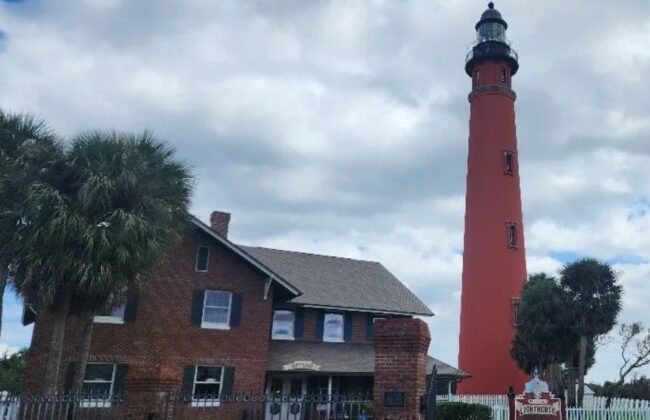
Near Daytona, the Ponce de Leon Inlet Light is a standout for lighthouse fans because it combines serious height with a strong museum experience. Climbing it delivers a sweeping view of the inlet and coastline, and it’s a satisfying “grand finale” if your trip ends in Florida.
Day 1: Portland Head Light + explore Portland’s food scene
Day 2: Nubble Light sunrise + coastal drive and beach time
Day 3: Optional extra lighthouse stop or a slow morning, then head home
Base yourself in Boston or Providence for a couple of nights, then add Cape Cod or Block Island. This style works well if you want both city life and coastal calm. Aim for 1–2 lighthouses per day max, and build in time for beaches and seafood.
Start near NYC or New Jersey, hit Cape May, then move south to Virginia and the Outer Banks. The Outer Banks deserve at least 2–3 nights so you can enjoy the dunes, beaches, and multiple lighthouse stops without rushing.
This is the “big drive,” and it’s totally doable if you treat it like a string of mini trips:
Build in at least two rest afternoons where you do something that is not driving or climbing—beach, spa, museum, or just a long lunch.
Many towers involve 100–250+ steps, tight stairways, and a bit of vertigo for some travelers. If you’re nervous, start with a shorter climb first and work up. Wear closed-toe shoes, bring water, and plan your climb earlier in the day when it’s cooler.
Not every lighthouse is climb-friendly or accessible, but you can still have an amazing experience:
The most popular lighthouses often have limited parking. A few simple rules help:
You don’t need fancy gear, but timing matters:
Try adding a foreground element—rocks, dune grass, driftwood, or a path—to create depth. And if you’re using a phone, tap to lock focus on the lighthouse and slightly lower exposure so the sky doesn’t blow out.
Many lighthouse sites are in fragile dune ecosystems or protected parks. Stick to marked paths, pack out trash, and respect restricted areas. If you’re visiting during nesting seasons for shorebirds, follow posted guidance. A little care keeps these places beautiful for the next traveler.
You Might Also Like: Underrated East Coast Beach Towns: Discover Hidden Gems
The best lighthouse trips aren’t about collecting as many towers as possible—they’re about letting the coastline set the pace. Choose a region, pick a few standout stops, and give yourself time to wander nearby beaches and towns. With a smart route and a little flexibility, this East Coast lighthouses travel guide can turn a simple drive into a memorable, photo-filled journey you’ll want to repeat in a different season.
If you are planning New Orleans haunted tours travel, prepare for a trip where the…
Waterfalls are one of nature’s most awe-inspiring wonders, and the United States is home to…
The East Coast of the United States is often overlooked when it comes to surfing,…
If you want a more memorable island trip, this Hawaii local cuisine guide is the…
If you’re searching for US wellness retreats best spas that genuinely help you reset—physically, mentally,…
Planning a first trip to Yellowstone can feel huge—especially with little adventurers in tow. This…