If you came to Savannah, Georgia for the squares, the river breeze, and the porch-swing pace of life, you’re about to discover the city’s best souvenir is edible. This Savannah Georgia food culture guide is designed for travelers who want more than a checklist of restaurants: you’ll learn what to order, why it matters, and how to taste Savannah like a local—without overplanning your vacation.
Savannah’s culinary identity sits at the intersection of coastal abundance, Lowcountry traditions, and the hospitality that made the city famous. You’ll see it in the way servers insist you try “just one more bite,” in the easy rhythm of happy hour on River Street, and in the menus where shrimp, oysters, and grits show up with a dozen different accents. The goal here is simple: help you build a delicious, culturally respectful trip where every meal tells a story.
On the map, Savannah is a coastal city with deep historical roots. On the plate, it’s a place where the Atlantic and the marshlands shape what people cook, and where centuries of migration shaped how they season it. The region is part of the broader Lowcountry, known for seafood, rice, and slow-simmered comfort dishes that balance richness with brightness.
There are three “layers” that show up again and again when you eat your way through Savannah:
Even if you don’t arrive as a “food traveler,” Savannah has a way of turning you into one—because the city’s iconic experiences (historic homes, ghost tours, river strolls) naturally connect to eating. You sip something cold after wandering a sunny square. You snack your way through cobblestones. You end the night with a dessert that somehow tastes like nostalgia.
Lowcountry cooking is often described as “simple,” but that simplicity is the result of generations of knowledge: how to coax sweetness out of shrimp, how to build depth in a pot of rice, how to time a fry so it stays crisp in humid air. Many coastal dishes are built around practical techniques—boiling, frying, stewing—that fit the climate and the ingredients.
As you explore, you’ll notice a few repeating flavor signatures:
One helpful mindset: think of Savannah meals as “balanced comfort.” You can absolutely indulge, but the best plates usually have contrast—crispy with creamy, sweet with tangy, briny with buttery.
When you only have a few days, ordering the “right” dishes matters. Instead of chasing one famous restaurant, chase the foods that define the place—then pick the spots that serve them well.
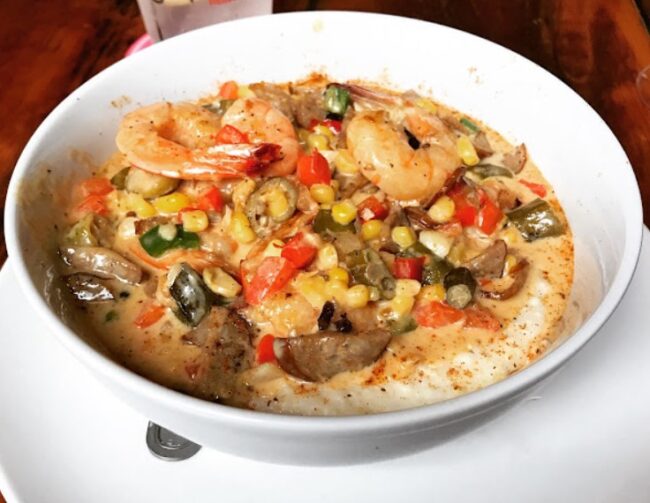
This is Savannah’s headline dish for a reason. You’ll see variations ranging from creamy, cheesy grits topped with sautéed shrimp to versions finished with gravy or a smoky meat accent. Look for shrimp that taste clean and sweet (not overcooked), and grits that are creamy without being gluey.
Often served as an appetizer, these give you that perfect Southern contrast: crisp cornmeal coating outside, tart tomato inside. Many places add a remoulade or pimento cheese. If you’re sharing, order this early—it disappears fast.
Coastal cities take oysters seriously. Depending on the season, you might see them raw on ice, roasted over flame, or fried into po’ boys and platters. If you’re new to oysters, try them roasted first—the heat softens the learning curve.
Also called a “coastal boil,” this one-pot feast typically combines shrimp, sausage, corn, and potatoes with spice. It’s communal by nature, messy in the best way, and ideal after a day of walking the Historic District.
While the dish is more commonly associated with Charleston, you’ll still see rich crab soups and seafood stews in Savannah restaurants. These bowls are all about depth: creaminess, shellfish sweetness, and a gentle peppery finish.
Sometimes the most “Savannah” moment is a casual one—warm biscuits, pimento cheese, and something fizzy or cold while you watch the world move slowly past. Don’t underestimate the snack course.
Savannah has a sweet tooth. Pralines, fudge, and candy-shop classics show up along tourist corridors, but you can also find bakeries serving seasonal pies and cakes that feel more “local Sunday” than “souvenir.”
Use this quick “taste map” when you’re deciding what to eat next. The idea isn’t to follow rules—it’s to match your cravings with the best kind of setting for that moment. This approach also helps you avoid the classic travel mistake: booking too many big meals and missing the snacks that make Savannah feel alive.
Savannah is compact, and the vibe can change from one area to the next. Use neighborhoods as your organizing tool: choose a few “anchor meals,” then fill the rest with spontaneous snacks.
This is where first-timers naturally spend most of their time, and it’s where you’ll find many of the city’s most iconic dining rooms. Expect historic buildings, attentive service, and menus that lean into Southern staples: fried chicken, seafood, grits, and seasonal vegetables. If you want the “Hostess City” feeling—warm greetings, longer dinners, and a little drama in the architecture—book at least one dinner here.
River Street is made for grazing. You can grab seafood, sip a drink, then keep walking while the river traffic does its thing. It’s touristy, yes, but also undeniably enjoyable—especially around golden hour. Your strategy: come for a casual meal or appetizers, prioritize views over perfection, and treat the stroll itself as part of the experience.
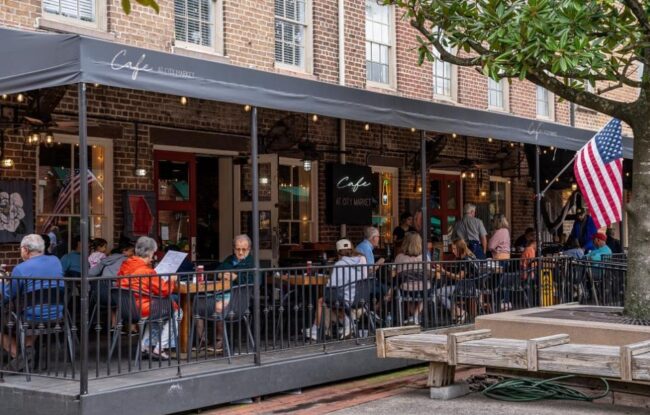
City Market is a lively pocket where patios matter. It’s great for brunch, mid-day bites, and relaxed dinners that don’t require a strict dress code. When you’re traveling with a group, it’s also a convenient “choose your own adventure” zone—people can split up for different cravings and meet back up easily.
If you want a break from the historic-tour loop, head to Starland for coffee, casual eats, and more contemporary energy. This is where you’ll often find inventive bakeries, small plates, and menus that riff on Southern ingredients without turning them into a museum exhibit.
Even if you’re based in Savannah, Tybee Island can be a delicious side quest. The best beach meals are rarely fussy: fried seafood baskets, shrimp tacos, simple grilled fish, and cold drinks. Go with the flow, embrace the sand-between-your-toes vibe, and don’t overthink it.
To make this guide usable, here’s a flexible plan. Swap meals around based on your schedule—Savannah rewards spontaneity.
Food culture is about people as much as recipes. Savannah dining has its own rhythm, and following it makes your experience smoother.
Savannah’s beverage culture is part classic Southern, part coastal vacation. Sweet tea is a baseline, but you’ll also see cocktails and local pours that fit the city’s leisurely mood. If you’re curious about regional traditions, ask about historic punches and house cocktails—many menus treat them like living folklore. Just remember: the humidity is real, so pace yourself and keep water in the rotation.
Not a drinker? No problem. Look for fresh lemonades, herbal iced teas, and seasonal mocktails. The best places take non-alcoholic options seriously now.
Restaurants are only half the story. To understand a place, visit where people buy ingredients and treats. In Savannah, that often means strolling through markets, grabbing small samples, and collecting “tiny souvenirs” for the ride home.
Travel is easier when you can eat comfortably. Savannah’s traditional dishes lean rich, but you can still find plenty of options for different diets.
The city’s history shows up in architecture, but it also shows up in ingredients and techniques. Rice culture, coastal seafood, and the broader traditions of Southern cuisine influence what lands on the table today. When you order shrimp and grits, or a stew built on slow simmering, you’re tasting the practical wisdom of coastal living—what kept people fed, what traveled well, what could be cooked for a crowd.
If you want to connect food and culture directly, consider pairing one meal with a historic walk or museum visit. The “why” behind a dish often becomes clearer after you’ve seen the city’s layered past.
You can eat extremely well in Savannah without turning every meal into a splurge. Use a simple formula:
Also: lunch is often the best value. If a restaurant is famous for dinner, try it mid-day and save your budget for another experience.
You Might Also Like: Discovering the Best USA Secluded Coastal Getaways: Hidden Gems for Your Next Escape
Ultimately, Savannah is a city where food is a form of welcome. Follow your curiosity, say yes to recommendations, and let meals become the bridge between sightseeing and real connection. Keep this Savannah Georgia food culture guide handy as you wander—then make it your own, one unforgettable bite at a time.
If you are planning New Orleans haunted tours travel, prepare for a trip where the…
Waterfalls are one of nature’s most awe-inspiring wonders, and the United States is home to…
The East Coast of the United States is often overlooked when it comes to surfing,…
If you want a more memorable island trip, this Hawaii local cuisine guide is the…
If you’re searching for US wellness retreats best spas that genuinely help you reset—physically, mentally,…
Planning a first trip to Yellowstone can feel huge—especially with little adventurers in tow. This…