Immersed in lush green forests, pristine wetlands, and rugged landscapes, the Southeast USA hidden parks offer unforgettable escapes that go beyond typical tourist routes. From remote Appalachian forests to coastal preserves seldom listed on conventional guides, these offbeat nature destinations let you connect deeply with nature without the crowds. In this article, we explore ten little‑known Southeast USA hidden parks you must visit, perfect for travelers seeking tranquility and authenticity.
1. Big Shoals State Park, Florida
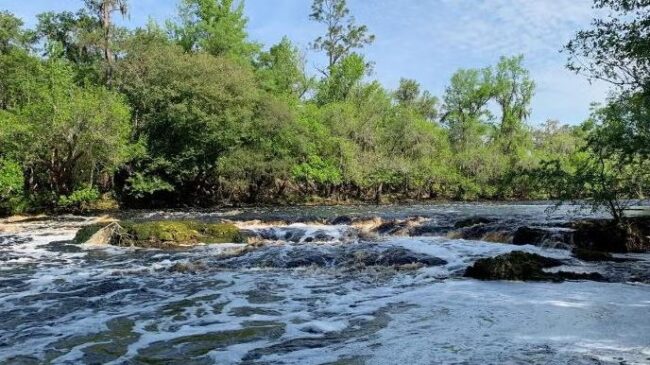
Located along the Suwannee River, Big Shoals State Park features the highest whitewater rapids in Florida and quiet riverbanks ideal for paddling and fishing. Its remote trails through dense hardwood forests keep visitor numbers low, offering a serene experience in a unique hydrological landscape.
2. Fakahatchee Strand Preserve State Park, Florida

Often called the “Amazon of North America,” Fakahatchee Strand Preserve is a vast swamp teeming with rare orchids and elusive wildlife like the Florida panther. Hiking the elevated boardwalks through its dark, ancient swampland reveals an enchanting ecosystem many visitors miss.
3. Sipsey Wilderness, Alabama

Nestled within Bankhead National Forest, the Sipsey Wilderness spans over 24,000 acres of sandstone gorges, cascading waterfalls, and dense forest. It was designated in 1975 and expanded in 1988—becoming the first wilderness area east of the Mississippi River in the United States, known as the “Land of 1000 Waterfalls.” Hiking its rugged backcountry trails and chasing waterfalls offers real solitude and natural beauty (Wikipedia reference).
4. Congaree National Park, South Carolina

While becoming more popular, Congaree National Park remains an offbeat gem with its towering old-growth bottomland hardwood forest and expansive floodplain ecosystem. It preserves the largest tract of old-growth bottomland hardwood forest left in the United States and features some of the tallest tree species in eastern North America, forming one of the highest temperate deciduous forest canopies globally (Wikipedia reference).
5. Chestnut Mountain, Georgia

Chestnut Mountain Wildlife Management Area sits near Helen, Georgia. While the town sees many tourists, this park stays under the radar. Its rolling hills, hardwood forests, and seasonal wildflowers attract birdwatchers, hikers, and photographers seeking quiet in Northeast Georgia.
6. Katy Trail Wildlife Management Area, Mississippi
This 12,000-acre area along the Leaf River features miles of canoeable rivers, swamps, and bottomland hardwood forests. Katy Trail Wildlife Management Area is ideal for paddlers and backcountry campers, with far fewer visitors than typical state parks — true Southeast USA hidden parks.
7. Great Smoky Mountains – Cataloochee Valley (North Carolina)
Although the Great Smoky Mountains National Park is well-known, the Cataloochee Valley section remains one of its best-kept secrets. Far from the main thoroughfares, it offers meadows, historic cabins, elk viewing, and trails surrounded by quiet forests.
8. Eglin Air Force Base Recreational Lands, Florida
Surprisingly, portions of Eglin AFB are open to public recreation—part of the largest Air Force base in the U.S. These lands include pristine beaches, dune lakes, and longleaf pine ecosystems. The restricted access means fewer tourists and more unparalleled solitude.
9. Palmetto Bluff Preserve, South Carolina
Located in the Lowcountry near Bluffton, Palmetto Bluff Preserve offers tidal marshes, longleaf pine forests, and networked trails mostly known to cyclists and paddlers. With guided tours and quiet access points, it remains one of the Southeast’s hidden gems.
10. Cumberland Island National Seashore, Georgia
Accessible only by ferry, Cumberland Island is Georgia’s largest barrier island and home to wild horses, maritime forests, and deserted beaches. Its lack of roads and limited daily visitor capacity make it a pristine offbeat nature park experience in the Southeast USA.
Why These Southeast USA Hidden Parks Are Worth Exploring
Isolation & Solitude: Most listed parks receive few visitors and lack developed facilities.
Unique Ecosystems: From swamps to coastal dunes and hardwood bottomlands, each preserve provides diverse biomes.
Authentic Access to Wildlife: Elk in Cataloochee, wild horses on Cumberland, and rare orchids in Fakahatchee—without crowds.
Low‑impact Recreation: Hiking, paddling, camping—without commercial trappings, for a more mindful trip.
Tips Before You Go
Plan ahead: Some trails or waterways—like in Sipsey Wilderness or Fakahatchee—may need permits or have limited access, especially to protect wildlife.
Respect seasonal variations: Congaree floodplain hiking is best in lower water seasons; beaches on Cumberland Island can be eroded mid‑summer.
Pack for remote terrain: Bring navigation tools, emergency gear, and sufficient water; park services are often minimal or nonexistent.
You Might Also Like: Exploring Southeast USA Hidden Waterfalls
Final Thoughts
Exploring these Southeast USA hidden parks gives you far more than “just another nature walk”—it offers immersive, authentic wilderness experiences that few travelers ever find. Whether you seek waterfalls and whitewater, ancient swamps and orchids, or barrier islands with wild horses and quiet beaches, this collection delivers.