When travelers think of Alaska, images of Denali and Glacier Bay often come to mind. Yet beyond these well‑trodden trails lie untamed expanses few explore. In this article, we highlight Alaska hidden wilderness spots—quiet, vast, and awe‑inspiring landscapes where solitude and natural beauty converge. Whether you’re an adventurous explorer or seeking authentic wilderness immersion, Alaska’s lesser‑known areas offer something extraordinary.
What Makes These Wilderness Areas “Hidden”?
Over half of the federally designated wilderness in the U.S. is in Alaska—about 52% of the national total, equating to over 57 million acres (source: Wikipedia). Yet most of this land sees few visitors. Some regions have no roads or facilities, requiring floatplane or lengthy overland treks to access.
1. Gates of the Arctic National Park & Preserve
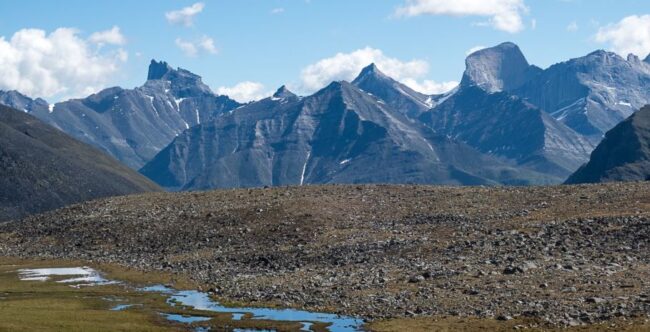
This remote park is one of the least‑visited national parks in the U.S., receiving fewer than 8,000 visitors in 2021. With no roads or official trails, it offers a truly wild experience—vast tundra, rugged mountains, and rivers stretching to the Arctic Circle. Ideal for experienced backpackers seeking absolute wilderness.
2. Noatak National Preserve
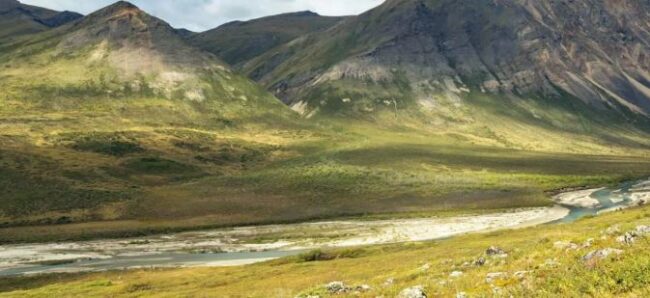
Covering over 6.5 million acres, Noatak is home to the United States’ last completely free‑flowing river system. The preserve contains the Noatak Wilderness, the fourth‑largest wilderness area in the country. Access here is exclusively by air, boat, or hike—perfect for deep wilderness seekers who want to canoe, backpack, or wildlife‑watch with near‑zero crowds.
3. Aniakchak National Monument & Preserve
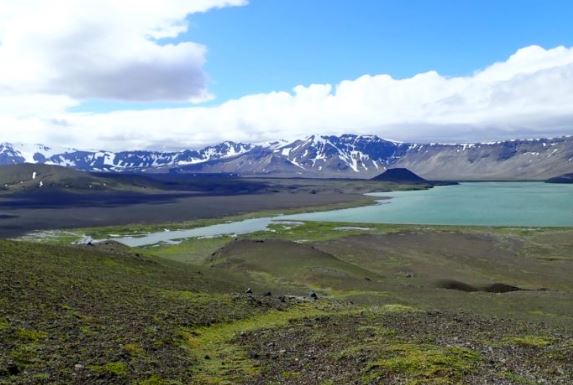
Remote doesn’t begin to describe Aniakchak. Located roughly 450 miles southwest of Anchorage, this volcanic caldera region is accessible only by floatplane or boat. Its centerpiece: a massive caldera 6 miles across and over 3,300 feet deep, with wild rivers flowing into the Pacific. A landscape shaped by millennia of eruptions and erosion.
4. Kachemak Bay State Wilderness Park
Situated on Alaska’s southern coast near Homer, this wilderness park spans about 400,000 acres, with most areas only accessible by boat or floatplane. Expect dense coastal forests, glacier‑fed bays, sea otters, bears, and dramatic shorelines—yet far fewer tourists than popular national parks.
5. Afognak Island State Park
With over 75,000 acres of primitive terrain on the Kodiak Archipelago, Afognak Island is one of Alaska’s most secluded parks. It features rugged topography, abundant wildlife, and no development beyond rustic campsites, reachable only via floatplane from Kodiak Island. Ideal for anglers, hikers, and wildlife photographers.
Bonus: Unusual Natural Features & Hidden Gems
Kobuk Sand Dunes: A surprising “hidden desert” north of the Arctic Circle—smooth dunes sculpted by winds, where visitors can try sandboarding. It’s one of Alaska’s most underappreciated landscapes.
Hatcher Pass: A scenic detour from the Parks Highway near Palmer, recommended by road‑trippers for its birding, moose‑spotting, and mining heritage. It offers access to lesser‑known hiking and off‑the‑main‑path trails.
Wrangell‑St. Elias Hidden Towns: Off‑the‑beaten‑path communities like Kennecott and Chitina offer quiet trails, glacier views, and historic mining ruins, kept off many itineraries.
Planning Your Adventure: What to Expect
Access & Infrastructure
Many areas lack roads, signage, or visitor facilities. Floatplanes or boats are often the only access. Weather can be unpredictable—expect flights or travel delays in places like Aniakchak.
Wildlife & Ecosystems
Remote parks support moose, caribou, wolves, grizzlies, and diverse bird populations. Coastal preserves like Kachemak and Afognak host sea lions, otters, and migratory seabirds. The tundra and river systems support large caribou herds and sensitive Arctic ecosystems.
Ideal for…
Seasoned hikers, paddlers, or backcountry explorers. Travelers seeking solitude, raw landscapes, and immersive nature. Photographers, wildlife lovers, and cultural history enthusiasts.
Safety & Permits
Most areas require no formal permits, but travel plans should be filed, especially in unpredictable regions. Bear awareness, proper layering, gear for rain or snow—even in summer—is essential. Local ranger stations or visitor centers offer advice; e.g., King Salmon Visitor Center serves the Aniakchak and Lake Clark regions.
You Might Also Like: Small‑Town Charm in Alaska
Conclusion
For travelers eager to venture beyond the usual, these Alaska hidden wilderness spots reveal a side of the Last Frontier few ever experience. From volcanic craters to tundra river basins, remote state parks to Arctic dunes—these landscapes deliver grandeur, solitude, and nature at its purest. If you’re ready for an off‑grid adventure, Alaska’s quietest wilderness awaits.